How I Built My First Stream of Passive Income Without Quitting My Day Job
You don’t need a six-figure salary or fancy finance degree to start building passive income. I began with no savings, zero experience, and a serious case of financial stress. But after testing different strategies—some failed, some surprised me—I found simple, realistic ways to grow money while sleeping. This is not about get-rich-quick schemes. It’s about smart planning, small consistent steps, and avoiding common beginner traps. Let’s walk through how you can start shaping your own financial future—starting today.
The Moment I Realized I Needed a Financial Reset
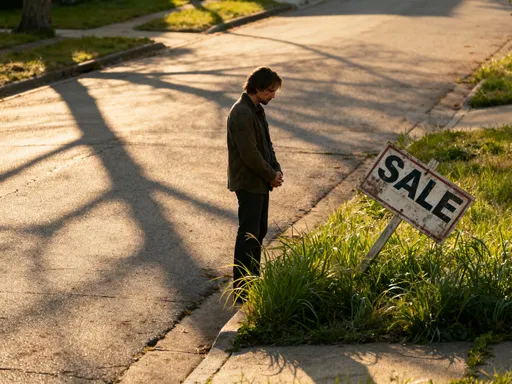
For years, I lived paycheck to paycheck, always one unexpected expense away from panic. I remember opening my bank app with dread, not curiosity. Every month felt like a race to cover bills, with no real finish line in sight. I worked full time, did everything 'right,' yet still felt trapped. The turning point came when my car broke down—just a simple repair, but it cost more than I had in savings. I had to borrow from a family member, and that moment stung. It wasn’t just about the money; it was about the lack of control. I realized I wasn’t managing my finances—I was surviving them.
That experience sparked something deeper than embarrassment: it sparked curiosity. I started asking questions. Why was I working so hard but going nowhere? What if there was a way to make money work for me, instead of the other way around? I began reading articles, listening to financial podcasts, and watching simple explainers online. What I discovered wasn’t magic—it was methodical. People weren’t getting rich overnight; they were building systems, slowly and steadily, that generated income without constant effort. That’s when I first heard the term passive income, and it didn’t sound like a fantasy anymore. It sounded like freedom.
Still, I was cautious. I didn’t want to fall for flashy promises or risky schemes. I needed something safe, simple, and sustainable. I wasn’t looking to retire early or buy a yacht. I just wanted to stop living in financial fear. The idea of earning even a small amount of money without trading more hours for it felt revolutionary. That shift—from survival mode to solution-seeking—was the real reset. It wasn’t about waiting for a raise or a windfall. It was about taking ownership, one small decision at a time.
What Passive Income Really Means (And What It Doesn’t)
When I first heard about passive income, I imagined money flowing in while I napped. That’s the image many ads sell: tropical beaches, laptop lifestyles, and effortless wealth. But the reality is far less glamorous—and far more achievable. True passive income isn’t about doing nothing. It’s about front-loading effort so you can reduce ongoing work later. Think of it like planting a fruit tree. You dig the hole, plant the sapling, water it, protect it from pests—all that takes time and energy. But after months or years, it starts bearing fruit with minimal daily care. The harvest isn’t instant, but once it begins, it can last for decades.
Many people confuse passive income with no work at all, and that misconception leads to disappointment. Some online courses promise ‘set it and forget it’ systems, but even the most automated streams require maintenance, monitoring, and occasional adjustments. The key difference is effort intensity. Active income—like your job—requires continuous input. Passive income, once established, demands far less time and energy, even if it’s not zero. For example, earning dividends from stocks doesn’t mean you never check your portfolio. But it does mean you’re not clocking in eight hours a day to collect that money.
Another myth is that passive income replaces your salary overnight. That’s rarely true, especially for beginners. Most people start with small returns—$10 here, $50 there. These amounts feel insignificant at first, but they’re the seeds of something larger. Over time, as you reinvest and scale, those streams grow. The real power isn’t in the initial payout; it’s in the compounding effect and the psychological shift. You begin to see money not just as something you spend, but as something that can grow on its own. That mindset change is often more valuable than the first dollar earned.
Laying the Foundation: Financial Planning for Beginners
Before I dipped a toe into passive income, I had to stabilize my financial footing. Jumping straight into investing while drowning in debt or without an emergency fund is like building a house on sand. It might stand for a while, but one storm could bring it down. My first step wasn’t buying stocks or signing up for platforms—it was financial hygiene. I started tracking every dollar I spent for 30 days. I used a simple spreadsheet, categorizing expenses into groceries, utilities, subscriptions, and impulse buys. What I found was eye-opening. I was spending nearly $200 a month on subscriptions I barely used—streaming services, apps, and memberships I’d forgotten about.
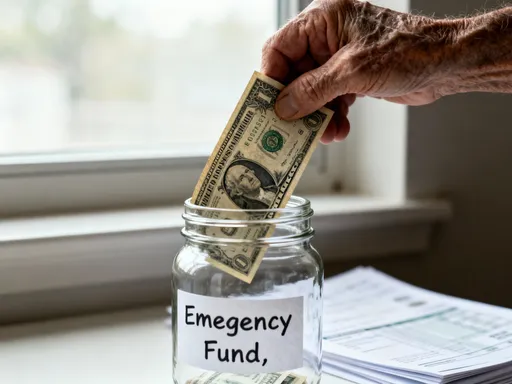
Once I had clarity, I made cuts. I canceled three services and paused two others. That freed up $75 a month—money I redirected into a separate savings account. This wasn’t a retirement fund or an investment account; it was an emergency buffer. Financial experts often recommend three to six months of living expenses saved, but I started with a $500 goal. It felt small, but it was achievable. Having even a modest cushion changed how I approached money. I wasn’t as anxious about small surprises. I could think long-term instead of reacting to every financial hiccup.
At the same time, I set a clear, realistic goal for passive income: earn $100 a month within a year. Not $1,000. Not financial independence. Just $100. This kept the target manageable and reduced pressure. I also educated myself on basic financial principles—compound interest, risk tolerance, and asset allocation—through free resources from reputable institutions. The goal wasn’t to become an expert overnight but to avoid costly mistakes. I learned that passive income works best when you’re not desperate for quick returns. Stability first, growth second. That foundation gave me the confidence to move forward without fear.
Starting Small: My First Real Passive Income Experiment
With a small emergency fund in place and a clear goal, I began researching low-barrier entry points. I ruled out anything requiring thousands of dollars or specialized skills. What I landed on was dividend-paying exchange-traded funds (ETFs). These are baskets of stocks that pay regular dividends, and they can be purchased through low-cost brokerage accounts with as little as $50. I chose this path because it was accessible, diversified, and required minimal maintenance. I didn’t need to pick individual stocks or time the market. I could start small and scale gradually.
The setup took less than an hour. I opened an account with a well-known, regulated brokerage platform that offered commission-free trades. I researched a few broad-market dividend ETFs, focusing on those with a history of stable payouts and low expense ratios. I invested $200 as my initial contribution—money I knew I wouldn’t need for emergencies. I set up automatic monthly deposits of $50, treating it like a non-negotiable bill. The first few months were quiet. I didn’t see big gains. In fact, the account value fluctuated, sometimes dropping slightly. But I stayed the course, reminding myself that short-term volatility is normal.
Then, after six months, I received my first dividend payment: $3.27. It wasn’t life-changing, but it was real. That small deposit into my account felt like validation. I hadn’t done anything extra to earn it. I hadn’t worked overtime, answered emails at midnight, or taken on a side hustle. The money came because I had made a thoughtful decision and stayed consistent. That $3.27 grew to $8 by month nine, then $15 by month twelve. By the end of the year, my passive income stream was generating about $22 a month—still short of my $100 goal, but close enough to keep me motivated. More importantly, I had built confidence. I had proven to myself that this was possible, even on a modest budget.
Diversifying Without Overcomplicating: Adding More Streams
Once I saw that my first stream was working, I started exploring other options. But I was careful not to jump into everything at once. Diversification is important, but so is focus. Spreading yourself too thin can lead to confusion, higher fees, and emotional burnout. My rule was simple: add one new stream only after the first was stable. I didn’t want to chase trends or get caught up in hype. I wanted sustainable, low-maintenance options that fit my lifestyle.
About six months after starting with ETFs, I explored high-yield savings accounts. These are offered by online banks and typically pay significantly higher interest than traditional banks. I moved $1,000 from my emergency fund into one, knowing it was safe (FDIC-insured) and fully liquid. The return wasn’t huge—around 4% annually—but it was predictable and required zero effort. Unlike stocks, there was no market risk. The money just sat there, earning interest every month. It wasn’t glamorous, but it was reliable. I began to appreciate that not every stream had to be exciting. Some just needed to be steady.
Later, I looked into peer-to-peer lending platforms, where individuals lend small amounts to borrowers in exchange for interest. I started with $100, spread across ten different loans to reduce risk. The returns were higher than savings accounts, but so was the risk of default. I treated it as an experiment, not a core holding. Over two years, I earned about 5.8% on average, but had to write off one loan that wasn’t repaid. That experience taught me an important lesson: higher returns often come with higher risk, and not every investment will succeed. The key was balance—mixing safer, lower-return options with a small portion in slightly riskier ones.
Throughout this process, I kept my day job and maintained my budget. None of these streams replaced my income, but together, they began to make a difference. By year three, my total passive income was around $350 a month. That wasn’t enough to quit work, but it covered my car payment, insurance, and groceries. More importantly, it gave me breathing room. I wasn’t as stressed about money. I could make choices from a place of strength, not fear.
Risk Control: Protecting What You Build
As my portfolio grew, I realized that earning money was only half the battle. Keeping it was just as important. I started paying more attention to risk management—something many beginners overlook. I learned that protecting your capital isn’t about avoiding all risk; it’s about understanding and managing it. I began by reviewing each investment: Did I fully understand how it worked? Was it with a reputable, regulated provider? Could I lose the entire amount?
Diversification became my core strategy. Instead of putting all my money into one ETF or platform, I spread it across different asset types: stocks, cash equivalents, and alternative lending. This didn’t eliminate risk, but it reduced the impact of any single failure. I also avoided emotional decisions. When markets dipped, I didn’t panic-sell. I reminded myself that volatility is normal and that long-term trends matter more than daily fluctuations. I set rules: no investing based on headlines, no chasing 'hot' stocks, and no borrowing to invest.
I also prioritized safety and transparency. I only used platforms that were well-established, regulated, and had clear fee structures. I read user reviews, checked for complaints, and verified insurance coverage. I treated every dollar as precious, not disposable. Over time, this cautious approach paid off. Even when one of my peer-to-peer loans defaulted, the loss was small because I had diversified. My high-yield savings account stayed steady. My ETFs recovered and continued paying dividends. Risk control wasn’t exciting, but it was essential—like wearing a seatbelt. You don’t think about it every day, but when you need it, you’re glad it’s there.
The Long Game: How Patience Turns Small Gains Into Real Freedom
Looking back, the most powerful lesson wasn’t about money—it was about mindset. Financial freedom didn’t come from a single big win. It came from consistency, patience, and small decisions repeated over time. My first $3.27 dividend felt tiny, but it was the first ripple in a pond. Each monthly deposit, each reinvested dividend, each avoided impulse purchase added up. By year five, my passive income had grown to over $700 a month—still not a full salary, but enough to cover most of my living expenses.
More than the numbers, I gained confidence. I wasn’t afraid of bank statements anymore. I checked them regularly, not with dread, but with curiosity. I started thinking in terms of long-term growth, not just monthly survival. I taught my children basic money habits, not because I was rich, but because I finally understood the value of financial literacy. I even mentored a few friends who were just starting their own journeys, sharing what worked and what didn’t.
Passive income didn’t make me wealthy overnight. But it gave me something more valuable: control. It allowed me to work from a place of choice, not necessity. I still have my day job, but now it’s a choice, not a trap. I know that even if I had to step back, I’d have a cushion. The journey wasn’t about quitting work—it was about creating options. And that’s the real definition of freedom. You don’t need to start big. You just need to start. Because every dollar you invest today is a vote for the future you want. And that future begins now.