How I Crushed My Debt with These Real Financial Tools
Remember that suffocating feeling when your debt pile just won’t shrink, no matter how hard you try? I’ve been there—stuck in the cycle, paying bills but getting nowhere. Then I discovered a few practical financial tools that actually worked. Not hype, not get-rich-quick tricks, but real strategies that changed how I manage money. This is how I turned things around, and how you can too—without stress or guesswork. It wasn’t an overnight miracle, but a steady, thoughtful process built on clarity, consistency, and the right tools. The journey began not with a windfall or a radical lifestyle change, but with the decision to face the numbers head-on. And once I did, everything started to shift.
The Wake-Up Call: When Debt Became Unmanageable
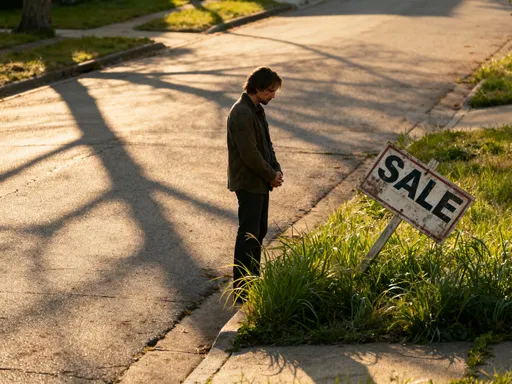
There was a moment—clear and cold—that marked the turning point. I sat at my kitchen table, coffee growing cold, staring at a credit card statement that made my stomach drop. The balance had crept past $12,000, and I realized I hadn’t paid off the full amount in over two years. I was making the minimum payments, yes, but the interest was swallowing every dollar I sent. That wasn’t the only bill, either. There were two other cards, a personal loan from a local credit union, and a lingering medical expense from a routine procedure that insurance didn’t fully cover. The total? Nearly $24,000 in unsecured debt. And I wasn’t even including the overdraft fees I’d racked up the month before.
What made it worse was the denial I’d lived in for so long. I avoided checking my accounts. I’d open the email notifications from my bank and immediately swipe them away, telling myself I’d look later. But “later” never came. I’d treat myself to small comforts—a coffee here, a new kitchen gadget there—thinking they were harmless. But those little purchases, charged to already maxed-out cards, were like pouring gasoline on a fire I didn’t want to see. I told myself I was managing, that I had a good job and steady income. But the truth was, I was surviving, not thriving. Every paycheck went toward bills, with barely enough left over for groceries and gas. I had no savings, no cushion, and certainly no plan.
The emotional toll was just as heavy. I felt anxious all the time—especially at night, lying awake worrying about whether I could cover an unexpected expense. What if the car broke down? What if someone in the family got sick? I wasn’t living with financial freedom; I was living in fear. And that fear wasn’t irrational. Studies show that high levels of personal debt are strongly linked to increased stress, sleep disturbances, and even strained relationships. I didn’t realize it then, but my financial situation was quietly eroding my quality of life. The wake-up call wasn’t dramatic. No collector called. No account was frozen. It was simply the quiet realization that I was going in circles—and that if I didn’t change something, I’d still be here in five years, just older and more exhausted.
Breaking Down the Debt: What I Actually Owed
The first real step toward freedom wasn’t paying anything off—it was writing everything down. I cleared the table, gathered every statement, logged into every account, and created a master list of every debt I owed. No filtering. No excuses. Just the facts. I listed each creditor, the current balance, the interest rate, the minimum payment, and the due date. I included credit cards, the personal loan, and even a small balance on a store financing plan for furniture I’d bought years ago. When I added it all up, the total was $23,876. Seeing that number in black and white was painful, but also strangely empowering. For the first time, I wasn’t guessing. I knew exactly what I was dealing with.
What surprised me most was how the interest rates varied—and how much they were costing me. One card, which I’d opened for a promotional 0% rate years ago, had reverted to 24.99% APR. I was paying nearly $200 a month in interest alone on that account. Another card, with a lower balance, had a rate of 19.75%, but because I was only making the minimum payment, the balance wasn’t moving. I started calculating how long it would take to pay off each account if I did nothing but make minimum payments. The answer? Over 14 years for one card, with more than $8,000 in interest paid on a $5,000 balance. That was a wake-up call all over again.
This process wasn’t about shame or blame. It was about diagnosis. Just like a doctor needs test results before prescribing treatment, I needed data before I could create a plan. Organizing the debt revealed patterns I’d ignored. I saw that I used one card to cover the minimum payment on another. I noticed that three of my five cards were near their credit limits, which was hurting my credit utilization ratio—a key factor in my credit score. I also realized I had no emergency fund, which meant any unexpected expense would push me deeper into debt. But with the full picture in front of me, I could finally stop reacting and start planning. Clarity became my foundation. From there, I could build a strategy that wasn’t based on hope, but on numbers, timing, and realistic goals.
Choosing the Right Financial Tools: Beyond Budgeting Apps
Once I had the numbers, I needed tools to manage them. I’d tried budgeting apps before—colorful interfaces, pie charts, and automated categorization—but they never stuck. Why? Because they focused on spending, not debt elimination. I needed something that would help me track progress, stay consistent, and reduce mental clutter. What worked wasn’t the fanciest app, but a simple spreadsheet I built in a free online platform. I entered each debt, color-coded by priority, and added columns for payments made, remaining balance, and projected payoff date. Every time I made a payment, I updated it. Watching the balance go down—even by a few dollars—gave me a sense of control I hadn’t felt in years.
But the spreadsheet was just one piece. The real game-changer was setting up automated payments. I didn’t trust myself to remember due dates or resist the temptation to skip a payment when money was tight. So I scheduled automatic transfers from my checking account to each creditor, always for more than the minimum. I aligned the due dates as much as possible with my payday, so the money was there when the transfer happened. Some creditors allowed me to change the due date; others didn’t, so I used calendar alerts as a backup. Automation removed the emotional decision-making. I wasn’t choosing whether to pay my debt each month—I was simply following a system I’d put in place.
I also explored credit counseling services. I was skeptical at first, worried about scams or high fees. But I found a nonprofit agency affiliated with the National Foundation for Credit Counseling (NFCC). They offered a free debt management consultation. The counselor reviewed my debts, explained my options, and helped me understand whether a debt management plan (DMP) made sense. In my case, it didn’t—my income was stable, and I didn’t need the reduced interest rates a DMP might offer. But the session was invaluable. It confirmed that I could do this on my own, with discipline and the right structure. It also taught me to be cautious about companies promising quick fixes. Real progress doesn’t come from outsourcing your debt—it comes from owning it.
The lesson here is that tools don’t have to be complex to be effective. A spreadsheet, automatic payments, and informed decisions were enough. I didn’t need artificial intelligence or premium subscriptions. I needed reliability, transparency, and consistency. And those are things anyone can access, regardless of income level or financial background.
The Payoff Strategy That Actually Worked for Me
With my debts mapped and my tools in place, I had to decide how to attack them. I’d heard of two popular methods: the debt avalanche and the debt snowball. The avalanche method focuses on paying off debts with the highest interest rates first, which saves the most money over time. The snowball method prioritizes the smallest balances, creating quick wins that build momentum. I read the arguments for both—proponents of the avalanche say it’s mathematically optimal; fans of the snowball say it’s psychologically effective. I decided to combine them.
My hybrid approach started with the smallest balance, but only if the interest rate wasn’t extremely high. I had a store credit account with a $450 balance and a 15% APR. It wasn’t the highest rate, but paying it off quickly would free up cash flow and give me a win. I allocated extra funds to clear it in two months. Once it was gone, I took the payment I’d been making on that account and applied it to the next debt. That’s where the avalanche part came in: I shifted focus to the card with the highest interest rate—24.99%—even though the balance was larger. I knew this was where I was losing the most money, so it made sense to attack it aggressively.
This strategy worked because it balanced logic and emotion. The quick payoff gave me confidence. I could see progress, which made it easier to stay committed. Then, tackling the high-interest debt saved me hundreds in interest over time. I calculated that by paying an extra $150 a month on that card, I’d save over $2,300 in interest and cut the payoff time in half. That kind of impact was motivating. I also adjusted as life happened. When my car needed repairs, I paused extra payments for one month but kept making the minimums. I didn’t quit—I adapted. And because I had a system, getting back on track was easy.
What made this strategy sustainable was that it wasn’t rigid. I didn’t beat myself up for occasional setbacks. I celebrated small milestones—a card paid off, a balance dropping below $1,000, a credit score increase. I shared these wins with my spouse, who began to support the effort by cutting back on dining out and helping track household expenses. The payoff strategy wasn’t just about math; it was about building habits, confidence, and teamwork. And that’s what turned a financial plan into a lifestyle change.
Automating My Way to Freedom: How Systems Beat Willpower
I used to rely on willpower. I’d promise myself I’d pay more this month. I’d set reminders on my phone. But life got busy, and those promises faded. I’d miss a payment, incur a late fee, and fall further behind. I realized that motivation fades, but systems endure. So I stopped depending on discipline and started building processes. The most powerful one was automation. I set up recurring transfers from my checking account to each creditor, scheduled a few days after payday. I made sure the amounts were higher than the minimum—usually 1.5 to 2 times as much. I didn’t wait to see if I had “extra” money at the end of the month, because that money never appeared.
Automation did more than ensure on-time payments. It changed my mindset. I stopped thinking of debt repayment as an optional expense. It became a non-negotiable, like rent or utilities. I also set up low-balance alerts on my checking account to avoid overdrafts. And I created a small buffer—$200—dedicated solely to debt payments. If an unexpected bill came up, I could temporarily reduce the extra payment but still cover the minimums without dipping into the buffer. This reduced stress and prevented derailment.
Another benefit was catching errors. One month, I noticed a payment hadn’t been applied correctly. Because I reviewed my accounts weekly—part of my automated routine—I spotted it early and resolved it with customer service. Without that habit, I might have paid a late fee or seen my credit score drop. Small oversights like that can undo months of progress, but systems protect against them. I also used calendar alerts for due dates I couldn’t automate, and I reviewed my spreadsheet monthly to track progress. These routines took less than 30 minutes a week, but they kept me on track for over two years.
The truth is, no one succeeds at debt repayment through sheer willpower alone. Life is too unpredictable, and emotions are too powerful. But a good system removes the guesswork. It turns intention into action, every single month. And over time, those consistent actions compound—just like interest, but in your favor.
Staying Safe: Avoiding Traps and Protecting Progress
As I made progress, new risks appeared. The biggest temptation? Spending. After paying off a card, I felt a rush of freedom. I wanted to celebrate—maybe buy something I’d been putting off. But I knew that slipping back into old habits could undo everything. I also faced financial offers that sounded too good to be true. One credit card issuer offered a balance transfer with 0% interest for 18 months. It seemed like a smart move, but I read the fine print. There was a 3% transfer fee, and if I didn’t pay the full balance before the promotional period ended, the rate would jump to over 25%. I decided it wasn’t worth the risk. I’d rather keep my momentum than gamble on a temporary fix.
I also learned to protect my credit score. When I closed a paid-off card, I accidentally hurt my credit utilization ratio because I reduced my total available credit. I didn’t realize it at the time, but that small decision caused my score to drop 20 points. I quickly learned that closing accounts isn’t always wise—especially older ones that help with credit history. Instead, I now keep paid-off cards open with zero balances, using them occasionally for small purchases that I pay off immediately. This maintains my credit age and utilization.
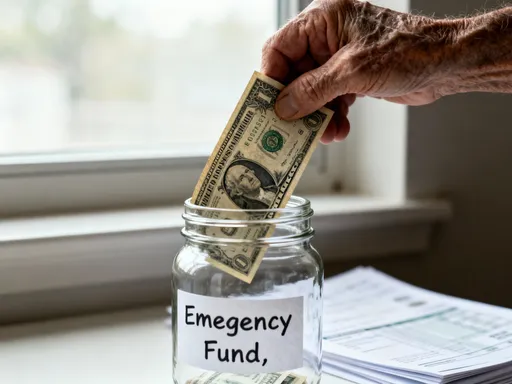
Another mistake was ignoring emergency savings. For the first year, I put every extra dollar toward debt. But when my water heater failed, I had no cash to cover the $600 repair. I had to pause debt payments and borrow from a family member—embarrassing and stressful. That taught me a hard lesson: even while paying off debt, you need a small emergency fund. I started building one with $25 a month, then increased it as debts were cleared. Now, I have three months’ worth of essential expenses saved. That cushion doesn’t just protect me financially—it gives me peace of mind.
Avoiding traps also meant being skeptical of financial products. I said no to payday loans, high-fee credit repair services, and investment schemes promising quick returns. Real financial progress is slow, steady, and boring. It doesn’t come from shortcuts. It comes from making informed choices, staying consistent, and protecting what you’ve gained.
What Freedom Feels Like—and How to Keep It
The day I made my final debt payment, I didn’t throw a party. I sat quietly, looked at my spreadsheet, and cried. It wasn’t just relief—it was pride. I’d done something I once thought impossible. The constant background noise of worry was gone. I slept better. I felt more patient with my family. I wasn’t afraid of the phone ringing or the mailbox delivering a bill. Financial peace isn’t about having a lot of money. It’s about having control. And for the first time in years, I had that.
But freedom isn’t the end—it’s a new beginning. I didn’t stop using the tools that got me here. I kept my spreadsheet, now repurposed for tracking savings goals. I maintained my automated transfers, redirecting the money I’d been using for debt payments into a high-yield savings account and a retirement fund. I continued reviewing my finances weekly and budgeting monthly. The habits that helped me escape debt are now helping me build wealth.
I also started teaching my teenage children about money—how credit works, why saving matters, how to avoid the traps I fell into. I share what I’ve learned with friends who are struggling. Not to boast, but to offer hope. Because if I could do it, so can they. The journey wasn’t easy, but it was simple: face the truth, use the right tools, stay consistent, and protect your progress. There’s no magic, no secret formula. Just steady, thoughtful action.
Today, I’m not just debt-free. I’m financially resilient. I have savings, a plan, and confidence in my decisions. And that, more than any number in a bank account, is what true wealth feels like.