How I Found Calm Again: A Real Talk Guide to Breathing for Healing
Stress, anxiety, and burnout sneak up when you least expect them—especially during recovery from illness or injury. I learned this the hard way. What changed everything? Simple breathing exercises. Not magic, not a cure, but a powerful tool that helped me regain control. Science backs it: breath shapes mood, reduces tension, and supports rehabilitation. This is my story—and a practical guide to how breathwork can become part of your healing journey.
The Moment Everything Felt Heavy
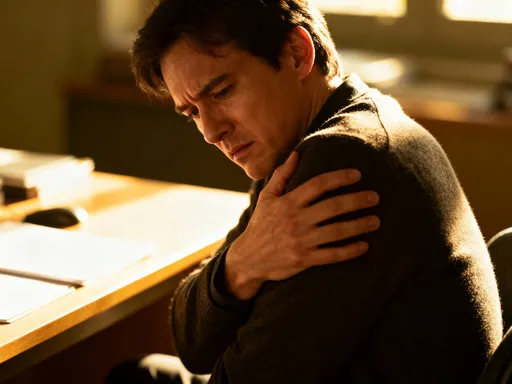
There was a time when getting out of bed felt like climbing a mountain. It wasn’t just the physical pain from my recovery—it was the weight of constant worry, the fog in my mind, and the exhaustion that no amount of sleep could fix. I had been diagnosed with a chronic condition that required months of rehabilitation, and while I followed every medical recommendation, something was still missing. I felt disconnected—from my body, from my emotions, from the person I used to be. The days blurred together, each one marked by frustration and a quiet sense of defeat.
What I didn’t realize at the time was that healing isn’t only about tissue repair or regaining strength. It’s also about mental resilience, emotional balance, and finding small moments of peace amid discomfort. I hit a wall emotionally long before my body reached its physical limits. The turning point came during a routine physical therapy session when my therapist noticed how tightly I was holding my breath during simple movements. She gently reminded me to breathe—and in that moment, something shifted. It wasn’t dramatic, but for the first time in months, I felt a flicker of calm. That small cue opened the door to a practice that would slowly, steadily change my recovery experience.
I began to see that my breath was not just automatic—it was a signal, a messenger between my mind and body. When I was anxious, my breath became shallow and fast. When I was overwhelmed, I often forgot to breathe deeply at all. But when I paid attention, when I took even one slow, intentional breath, I could feel a subtle release. It wasn’t a cure, but it was a beginning. And sometimes, that’s all you need—just one breath to remind you that you’re still here, still capable, still in control of something, no matter how small.
Why Your Breath Holds Hidden Power
Breathing is something we do without thinking—over 20,000 times a day, on average. But behind this automatic function lies a powerful physiological system that directly influences how we feel. When you change the way you breathe, you send signals to your nervous system that can shift your body from a state of stress to one of calm. This isn’t mystical—it’s science. Your breath is one of the few functions of the autonomic nervous system that you can consciously control, making it a unique bridge between the mind and body.
The key player in this process is the vagus nerve, a long cranial nerve that travels from your brainstem down through your chest and into your abdomen. It plays a central role in activating the parasympathetic nervous system—the “rest and digest” mode that counteracts the “fight or flight” stress response. When you practice slow, deep breathing, you stimulate the vagus nerve, which in turn slows your heart rate, lowers blood pressure, and reduces the production of stress hormones like cortisol. This is why you might feel more relaxed after just a few minutes of focused breathing—it’s not imagined; it’s measurable.
Research has consistently shown that controlled breathing techniques can reduce symptoms of anxiety, improve sleep quality, and support recovery in patients undergoing physical rehabilitation. Hospitals and clinics around the world now incorporate breathwork into cardiac care, pain management, and mental health treatment. For example, patients recovering from heart surgery are often taught diaphragmatic breathing to support lung function and reduce postoperative stress. Cancer patients use paced breathing to manage treatment-related anxiety. These aren’t alternative therapies—they’re evidence-based practices integrated into mainstream medicine because they work.
What makes breathwork so accessible is that it doesn’t require special equipment, training, or even much time. It’s built into your body, available at any moment. Whether you’re sitting in a waiting room, lying in bed, or standing in line at the grocery store, you can use your breath to ground yourself. It’s not about replacing medical treatment, but about enhancing your body’s natural ability to heal and regulate. When you understand that your breath is more than just air moving in and out—it’s a tool for self-regulation—you begin to see it as a vital part of your health routine, just like eating well or staying active.
What Is Breathwork—And What It’s Not
Breathwork has gained popularity in recent years, sometimes surrounded by spiritual or esoteric language that can make it seem out of reach. But at its core, breathwork simply means intentional breathing—paying attention to your breath and using specific patterns to achieve a desired effect. It’s not about achieving enlightenment or entering trance-like states, though some advanced practices may involve those elements. For the purpose of healing and recovery, breathwork is a practical, grounded tool that anyone can learn and benefit from.
One of the most important things to understand is that breathwork is not a cure-all. It won’t replace medication, physical therapy, or professional mental health support. It won’t erase pain or instantly resolve deep emotional wounds. What it can do is help you manage symptoms, reduce stress, and create space between you and your reactions. Think of it like physical therapy for your nervous system—just as you strengthen a weak muscle with repetition, you can train your body to respond more calmly to stress through consistent breathing practice.
Another common misconception is that breathwork is the same as normal breathing. While we all breathe every day, most of us do so unconsciously and inefficiently—often using the upper chest rather than the diaphragm, leading to shallow breaths that don’t fully oxygenate the body. Intentional breathwork, on the other hand, involves awareness and technique. It’s the difference between walking casually and doing a structured walking program for fitness. Both involve movement, but one is purposeful and designed to produce results.
Safety is also important. While most breathing techniques are safe for healthy adults, certain conditions—such as severe respiratory illness, uncontrolled high blood pressure, or panic disorder—may require guidance from a healthcare provider before starting a breathwork practice. Rapid or deep breathing can sometimes trigger dizziness or lightheadedness, especially at first. That’s why it’s best to start slowly, in a comfortable position, and stop if you feel unwell. Breathwork should never feel forced or uncomfortable. When practiced mindfully, it becomes a gentle, supportive habit—not a source of stress.
The 4 Breathing Techniques That Actually Worked for Me
Not every breathing technique worked for me at first. Some felt too complicated, others too slow. But over time, I found four methods that fit into my daily life and made a real difference in how I felt. Each one served a different purpose, and I learned when to use them based on my needs in the moment. These are not quick fixes, but reliable tools that, with practice, became second nature.
Box Breathing was the first technique that helped me manage nighttime anxiety. I would lie in bed, unable to quiet my mind, replaying the day’s events or worrying about tomorrow. Box Breathing gave me a structure to focus on. The pattern is simple: inhale for four counts, hold for four, exhale for four, hold for four. I imagined tracing a square with my breath—up, across, down, across. At first, I had to count out loud to stay on track, but within a week, the rhythm became automatic. This technique works because the equal timing of inhale, hold, and exhale creates balance in the nervous system. It’s especially effective when your mind is racing, as the mental focus required helps interrupt anxious thoughts.
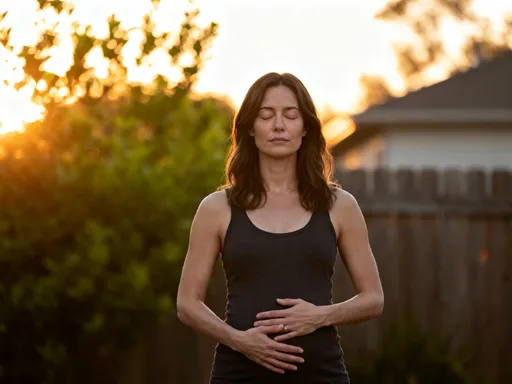
Diaphragmatic Breathing, also known as belly breathing, was essential during my physical recovery. After being bedridden for weeks, my lung capacity had decreased, and I often felt short of breath during basic activities. My therapist taught me to place one hand on my chest and the other on my abdomen, then breathe in slowly through the nose, letting the belly rise while keeping the chest still. Exhaling slowly through the mouth, I gently pulled the abdomen inward. At first, it felt awkward—like I was exaggerating the movement—but over time, it retrained my breathing pattern. This method increases oxygen exchange, reduces strain on the heart, and activates the relaxation response. I practiced it for five minutes each morning and noticed improved stamina within two weeks.
Paced Breathing (4-6-8) became my go-to during painful rehab sessions. The pattern is inhale for four counts, exhale for six, and pause for eight. The longer exhale is key—it enhances vagal tone and signals safety to the body. I used this during stretches or exercises that caused discomfort, syncing my breath with movement. Instead of bracing or holding my breath, I learned to breathe through the sensation. This didn’t eliminate pain, but it changed my relationship to it. I felt more in control, less reactive. Over time, I found that I could tolerate longer sessions and recover faster because my body wasn’t staying in a state of tension.
Extended Exhalation was the most powerful tool for resetting panic. When I felt a wave of anxiety rising—tight chest, racing heart, scattered thoughts—I would shift to a 4-8 pattern: inhale for four, exhale for eight. The extended exhale triggers the parasympathetic nervous system more strongly than any other technique. I used this before physical therapy appointments, when I was afraid of pain, or during moments of emotional overwhelm. Within two to three cycles, I could feel my heart rate slow and my muscles relax. The key was consistency—I had to practice it even when I wasn’t anxious, so it became a familiar response. Common mistakes included breathing too forcefully or trying to rush the process. I learned to stay gentle, to let the breath unfold naturally, and to focus on the release rather than the effort.
Making It Stick: How to Build a Breath Routine Without Pressure
Knowing the techniques was one thing—actually doing them regularly was another. I used to think I needed to set aside ten or twenty minutes a day to see results. But between doctor’s appointments, household responsibilities, and fatigue, that felt impossible. What changed was shifting my mindset: I didn’t need perfection; I needed consistency. Even two minutes of intentional breathing could make a difference. The goal wasn’t to become a breathwork expert, but to make it a sustainable part of my day.
I started by linking breathwork to habits I already had. While waiting for my morning coffee to brew, I would stand by the counter and practice diaphragmatic breathing. After brushing my teeth at night, I would lie down and do a few rounds of box breathing. These tiny moments added up. I also set a gentle phone reminder for midday—a soft chime that said, “Pause and breathe.” It wasn’t a demand, just an invitation. If I missed it, I didn’t scold myself. The practice was about self-care, not self-criticism.
Tracking helped, but not in a rigid way. I used a simple notes app to jot down when I practiced and how I felt afterward. Not every session was transformative—some days, I barely noticed a change. But over time, I could see patterns: more calm on days I breathed, better sleep when I did it before bed. This wasn’t about achievement; it was about awareness. I stopped measuring success by how long I breathed and started noticing how it made me feel in the hours that followed.
The real shift came when breathwork stopped being something I “had to do” and became something I wanted to do. It wasn’t a chore or a therapy task—it was a moment of quiet, a way to reconnect with myself. I realized that healing wasn’t just about fixing what was broken; it was about nurturing what was still strong. And sometimes, that strength showed up in the simplest form: one conscious breath at a time.
When Breathwork Isn’t Enough—And That’s Okay
There were days when no amount of breathing could lift the heaviness. Moments when anxiety clung tighter than any technique could loosen. I had to learn that breathwork is a support, not a solution. It helps manage symptoms, but it doesn’t replace professional care. There were times I needed to talk to a counselor, adjust my medication, or simply rest. And that’s okay. Healing isn’t about doing everything perfectly—it’s about using the tools that help, and asking for more when you need them.
I came to understand that breathwork is one piece of a larger puzzle. It works best when combined with other evidence-based practices: physical therapy, cognitive behavioral strategies, proper nutrition, and adequate sleep. For example, breathing before a therapy session helped me stay present, but the therapy itself addressed the root causes of my anxiety. Movement restored my strength, but breath helped me move with less tension. Rest allowed my body to heal, but breath helped me settle into stillness without restlessness.
Perhaps the most important lesson was learning self-compassion. Progress in recovery is rarely linear. There are setbacks, plateaus, and days that feel like going backward. I used to see these as failures, but now I see them as part of the process. When breathwork didn’t “work,” I didn’t blame myself. I reminded myself that I was doing my best. I adjusted, rested, sought support, and tried again. Healing isn’t about never struggling—it’s about how you respond when you do.
And sometimes, the most healing thing you can do is simply acknowledge that you’re not okay—and that’s enough. Breathwork gave me a way to stay present in those moments, not to fix them, but to be with them. It taught me that I didn’t have to fight my feelings to move through them. I could breathe with them, alongside them, until they shifted on their own.
From Survival to Strength: How My Mind and Body Healed Together
Months passed, and the changes were subtle at first. I noticed I wasn’t waking up with that tight, anxious feeling in my chest. I could sit through a meal without feeling overwhelmed. I started sleeping through the night. These weren’t dramatic breakthroughs, but they were real. Over time, the cumulative effect of daily breathing practice reshaped my baseline. I wasn’t just surviving anymore—I was beginning to thrive.
The long-term benefits went beyond stress reduction. I experienced improved focus during daily tasks, greater emotional resilience when faced with challenges, and a renewed sense of agency over my health. I no longer felt like a passive patient waiting to get better. I was an active participant in my recovery. Breathwork had become a form of daily self-care—a quiet commitment to myself, regardless of how I felt.
One of the most meaningful shifts was how I viewed my body. After months of pain and limitation, I had grown resentful. But breathwork helped me reconnect with my body in a gentle, non-judgmental way. Each breath became an act of listening, of honoring what my body was going through. I stopped seeing it as an enemy and started seeing it as an ally. This didn’t happen overnight, but with consistent practice, the relationship softened.
I also began sharing what I’d learned—with friends in recovery, support group members, even my doctor. I didn’t present it as a miracle, but as something simple that had helped me. Some tried it and found relief; others didn’t connect with it, and that was okay too. The point wasn’t to convert anyone, but to offer a tool that might make someone’s day a little easier. In that way, my healing became part of something bigger—a quiet ripple of support in a world that often feels overwhelming.
Healing isn’t linear, and no single tool fixes everything—but breathwork gave me back a sense of agency. It’s free, always available, and deeply human. Whether you're recovering from surgery, stress, or emotional strain, your breath can be a quiet ally. This isn’t about perfection; it’s about showing up, one conscious breath at a time.