Time Slows Down When You Start Living This Way
Aging isn’t just about wrinkles or gray hair—it’s the slow loss of energy, resilience, and vitality most people accept as inevitable. But what if small, science-backed shifts could reset your body’s rhythm? I noticed real changes when I stopped chasing quick fixes and started building sustainable habits. This isn’t about looking younger; it’s about feeling stronger, thinking clearer, and moving with purpose. Let’s explore how everyday choices quietly shape how we age.
The Wake-Up Call: Recognizing Early Signs of Accelerated Aging
Many women between the ages of 30 and 55 begin to notice subtle shifts in their bodies—feelings they often dismiss as simply part of getting older. A little more fatigue by mid-afternoon. Skin that doesn’t bounce back as quickly. Joints that creak when standing up. These are not just cosmetic changes or minor inconveniences. They are early signals that the body’s natural repair systems are beginning to slow down. Science shows that biological aging starts long before visible signs appear, often in our thirties, when cellular turnover begins to decline and hormone levels start shifting.
Ignoring these signals can lead to a cascade of deeper imbalances. For instance, persistent low energy may reflect mitochondrial dysfunction—the tiny energy factories inside cells losing efficiency. Dull skin might point to oxidative stress, where free radicals damage cells faster than the body can repair them. Slower recovery after physical activity could indicate reduced muscle protein synthesis, a precursor to age-related muscle loss known as sarcopenia. These processes are not inevitable; they are modifiable. The key is early recognition. When women learn to listen to their bodies with curiosity rather than frustration, they gain the power to respond before small issues become major health challenges.
One of the most powerful tools for early detection is self-awareness. Keeping a simple daily journal—tracking energy levels, sleep quality, mood, and physical sensations—can reveal patterns over time. For example, a woman might notice that her energy crashes every afternoon unless she eats protein-rich meals. Or that her joints feel stiffer after nights of poor sleep. These personal insights, when paired with regular check-ups and basic blood work, create a clearer picture of internal health. The goal is not to obsess over every symptom, but to cultivate a respectful relationship with the body—one that honors its signals and responds with care.
Mindset Shift: Redefining Anti-Aging as Daily Health Investment
For many, the idea of anti-aging brings to mind expensive creams, dramatic diets, or high-intensity fitness regimens. But true longevity is not built in extremes—it is cultivated through consistent, everyday choices. The most effective anti-aging strategy is not a single intervention, but a lifelong commitment to small, supportive habits. This requires a fundamental shift in mindset: from seeing health as a problem to fix, to viewing it as a daily investment in well-being.
Research in behavioral psychology shows that sustainable change comes not from motivation, but from habit formation. When actions become automatic—like brushing your teeth or locking the door—they no longer require willpower. The same principle applies to health. Instead of aiming for perfection, the focus should be on progress. Drinking one more glass of water each day, taking a five-minute stretch break, or choosing a vegetable-rich meal—these small acts accumulate over time, creating a compound effect on cellular health.
This shift from intensity to consistency also reduces the emotional burden of self-care. Many women feel guilty or overwhelmed when they can’t maintain rigorous routines. But the truth is, health is not a performance. It is a practice. When a woman stops seeing her daily choices as tests of discipline and starts seeing them as expressions of self-respect, the relationship with her body transforms. She begins to move, eat, and rest not to change herself, but to honor who she already is. This mindset—rooted in compassion rather than criticism—becomes the foundation for lasting vitality.
Move Without Pressure: Simple Physical Habits That Protect Your Body
Physical activity is one of the most powerful tools for slowing biological aging, yet many women avoid it out of fear of injury, time constraints, or discomfort. The good news is that you don’t need to run marathons or spend hours in the gym to benefit. In fact, research consistently shows that moderate, regular movement is more effective for long-term health than sporadic, intense workouts.
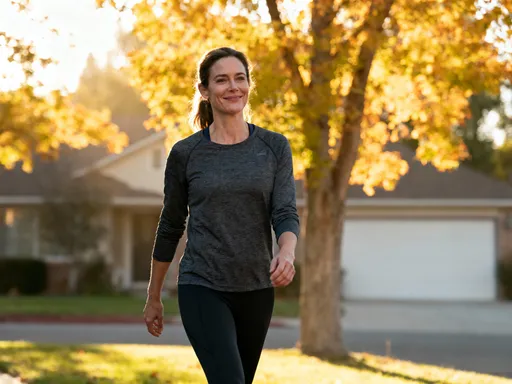
Daily walking is one of the simplest and most impactful habits. Just 20 to 30 minutes of brisk walking can improve cardiovascular health, enhance circulation, and support joint mobility. It also stimulates the lymphatic system, which helps remove cellular waste and reduce inflammation. For women who spend long hours sitting, adding short movement breaks—standing up, stretching, or walking around the house—can prevent stiffness and improve metabolic function. The key is consistency, not speed or distance. Walking after meals, for example, has been shown to help regulate blood sugar levels, a critical factor in preventing age-related metabolic decline.
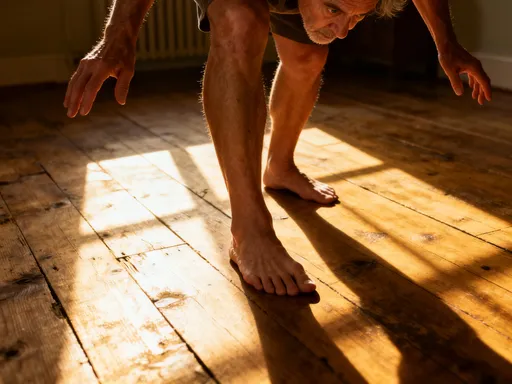
Bodyweight exercises, such as squats, lunges, and wall push-ups, help maintain muscle mass and strength, which naturally decline with age. Muscle is not just about appearance—it plays a vital role in metabolism, balance, and insulin sensitivity. Incorporating just two or three sets of these movements two to three times a week can make a meaningful difference. Similarly, mobility drills—gentle movements that take joints through their full range of motion—support flexibility and reduce the risk of injury. Practices like tai chi or simple floor-based stretching routines can be done at home with no equipment.
The goal is not to push the body to its limits, but to support its natural function. Movement should feel good, not punishing. When exercise is approached as a form of self-care rather than a chore, it becomes sustainable. Women who adopt this mindset often find that they look forward to their daily movement, not because they are chasing a certain look, but because they feel more alive, more present, and more capable in their daily lives.
Eat for Longevity: Real Food Choices That Fight Cellular Decline
Nutrition plays a central role in how we age, yet many women feel confused by conflicting diet advice. The truth is, longevity is not about following a strict regimen or cutting out entire food groups. It is about building a relationship with food that supports energy, resilience, and cellular repair. The most effective eating patterns are those that are nourishing, satisfying, and sustainable over time.
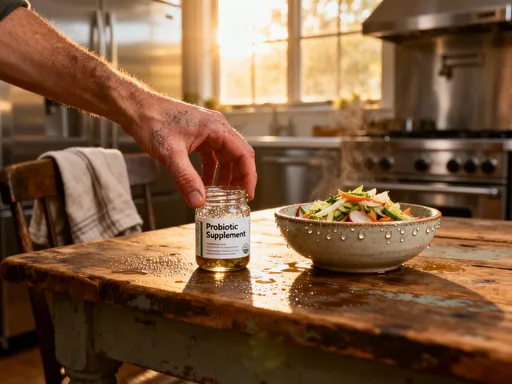
Whole, minimally processed foods form the foundation of an age-supportive diet. Vegetables, fruits, legumes, whole grains, nuts, seeds, and healthy fats provide a wide range of nutrients that protect cells from damage. Antioxidants—found in colorful produce like berries, spinach, and sweet potatoes—neutralize free radicals, reducing oxidative stress. Polyphenols, present in foods like green tea, dark chocolate, and olive oil, support cellular repair and reduce inflammation. Omega-3 fatty acids, abundant in fatty fish and flaxseeds, help maintain brain health and reduce systemic inflammation.
Protein intake is especially important for women over 30, as muscle mass begins to decline at a rate of 3–8% per decade. Including a source of high-quality protein at each meal—such as eggs, Greek yogurt, tofu, or lean poultry—helps preserve muscle, stabilize blood sugar, and support satiety. The timing of protein also matters; spreading intake evenly across meals is more effective than consuming most of it at dinner.
Hydration is another often-overlooked factor. Water is essential for every cellular process, from digestion to detoxification. Many women mistake mild dehydration for fatigue or hunger, leading to unnecessary snacking or low energy. Drinking water throughout the day, especially with meals and upon waking, supports metabolic function and skin health.
The goal is not perfection, but pattern. Occasional treats are part of a balanced life. What matters most is the overall dietary pattern—the foods that make up the majority of your plate. When women focus on adding nourishing foods rather than restricting, they often find that cravings for processed items naturally decrease. Eating becomes less about rules and more about respect—for the body’s needs and the joy of real, flavorful food.
Sleep: The Overlooked Powerhouse of Rejuvenation
Sleep is one of the most powerful yet underutilized tools for slowing aging. During deep sleep, the body repairs tissues, balances hormones, and clears metabolic waste from the brain. Poor sleep, on the other hand, accelerates aging by increasing inflammation, disrupting insulin sensitivity, and impairing cognitive function. Studies show that chronic sleep deprivation is linked to a higher risk of age-related conditions, including heart disease, diabetes, and cognitive decline.
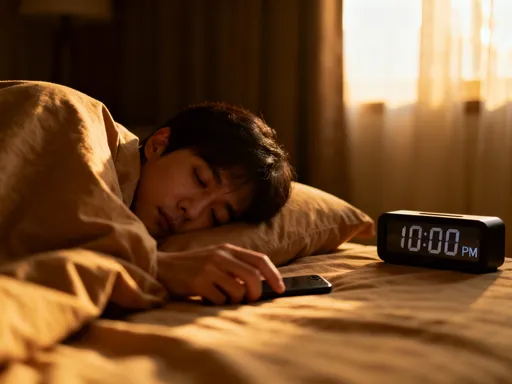
For many women, sleep quality begins to decline in midlife due to hormonal shifts, stress, or lifestyle habits. Yet, improving sleep does not require medication or drastic changes. Simple, evidence-based strategies can make a significant difference. One of the most effective is establishing a consistent sleep schedule—going to bed and waking up at the same time every day, even on weekends. This helps regulate the body’s internal clock, or circadian rhythm, which governs everything from energy levels to hormone release.
Creating a wind-down routine signals to the body that it’s time to shift into rest mode. This might include dimming the lights, turning off screens an hour before bed, and engaging in calming activities like reading, light stretching, or listening to soft music. Blue light from phones and tablets suppresses melatonin, the hormone that promotes sleep, so reducing screen exposure in the evening is crucial.
The sleep environment also plays a key role. A cool, dark, and quiet room supports deeper sleep. Using blackout curtains, a white noise machine, or a comfortable mattress and pillows can enhance comfort. Some women find that using a weighted blanket helps reduce nighttime anxiety and improve sleep continuity.
What happens during sleep directly affects how a woman feels during the day. Waking up refreshed means more energy, better focus, and improved mood. Over time, quality sleep supports emotional resilience, cognitive sharpness, and physical health. It is not a luxury—it is a biological necessity. When women prioritize sleep not as an afterthought, but as a cornerstone of well-being, they give their bodies the time and space to renew.
Stress Resilience: Taming the Silent Accelerator of Aging
Chronic stress is one of the most insidious drivers of accelerated aging. Unlike acute stress, which is short-term and can even be beneficial, chronic stress keeps the body in a constant state of alert. This leads to elevated levels of cortisol, the primary stress hormone, which over time can damage cells, weaken the immune system, and increase inflammation. Research shows that prolonged stress is linked to shorter telomeres—the protective caps on the ends of chromosomes that shorten with age. Women who experience high levels of stress may age faster at a cellular level, even if they appear healthy on the outside.
The good news is that stress resilience can be built. The nervous system is not fixed—it is adaptable. Simple daily practices can help regulate the stress response and restore balance. One of the most accessible tools is mindful breathing. Taking just a few minutes each day to focus on slow, deep breaths activates the parasympathetic nervous system, which promotes relaxation and counteracts the fight-or-flight response. Techniques like box breathing—inhaling for four counts, holding for four, exhaling for four, and holding for four—can be done anywhere and require no special equipment.
Another effective strategy is scheduling routine breaks throughout the day. Many women push through tasks without pausing, leading to mental fatigue and physical tension. Setting a timer to take a five-minute break every hour—standing up, stretching, or stepping outside—can reset the nervous system and improve focus. These small pauses are not wasted time; they are investments in sustained energy and clarity.
Setting boundaries is also essential. Saying no to excessive demands, protecting personal time, and delegating tasks when possible reduce the cognitive load that contributes to stress. Emotional resilience grows when women learn to prioritize their own well-being without guilt. Practices like journaling, talking with a trusted friend, or spending time in nature can also help process emotions and restore a sense of calm.
Over time, these habits create a buffer against stress. The goal is not to eliminate stress entirely—that is neither possible nor desirable. Instead, it is to build the capacity to respond to challenges with greater ease and recover more quickly. When stress is managed proactively, it no longer wears down the body. It becomes a signal to pause, reset, and return to balance.
Building Your Personal Anti-Aging Routine: From Theory to Daily Life
Putting all these elements together into a personal routine may feel overwhelming at first. But the most effective approach is not to change everything at once, but to start small and build gradually. The concept of habit stacking—linking a new behavior to an existing one—can make adoption easier. For example, after brushing your teeth in the morning, do two minutes of stretching. Or after dinner, take a 10-minute walk. These tiny actions, when repeated consistently, become automatic over time.
Tracking progress can also support motivation. A simple habit tracker, whether on paper or in a mobile app, helps visualize consistency. The goal is not perfection, but awareness. Missing a day is not failure—it is part of the process. Self-compassion is essential. Women who treat themselves with kindness during setbacks are more likely to stay on track in the long run.
It’s also important to recognize that no one should navigate health changes alone. Consulting with a healthcare provider before making significant lifestyle shifts ensures that choices are safe and appropriate. A registered dietitian can offer personalized nutrition guidance. A physical therapist can recommend safe movement practices, especially for those with joint concerns. These professionals provide not just expertise, but support—making the journey less isolating and more effective.
Finally, remember that aging is not the enemy. It is a natural part of life. The goal of these practices is not to stop time, but to live each year with greater strength, clarity, and joy. When women invest in their health daily—not for appearance, but for vitality—they discover that time doesn’t have to speed up. In fact, it can slow down. Moments feel fuller. Energy lasts longer. Life feels richer. And that is the true gift of living well.