Why My Body Finally Changed: A Science-Backed TCM Exercise Routine That Actually Works
For years, I felt sluggish, unbalanced, and disconnected from my body. I tried intense workouts and strict diets, but nothing brought lasting change—until I discovered how traditional Chinese medicine (TCM) views movement as healing. Blending TCM principles with modern science, I built an exercise plan that doesn’t just strengthen muscles, but restores energy flow. This is what finally made a real difference—naturally and sustainably. It wasn’t about pushing harder or eating less. It was about moving differently—smarter, gentler, and in tune with my body’s innate rhythms. The shift wasn’t overnight, but it was deep and lasting. What follows is not a miracle cure, but a practical, science-informed approach that honors both ancient wisdom and modern understanding of human physiology.
The Hidden Problem: Why Exercise Often Fails to Bring Balance
Many people today follow rigorous fitness routines yet still wake up feeling tired, stiff, or emotionally drained. They lift weights, run miles, attend high-intensity classes, and track every calorie—but the promised energy and vitality remain elusive. This persistent fatigue is not a sign of laziness or lack of discipline. Instead, it often signals a deeper imbalance: the kind that conventional fitness models fail to address. Western exercise culture tends to emphasize output—how many calories burned, how fast the pace, how heavy the load. While these metrics can be useful, they often overlook the internal state of the body. When the focus is solely on performance, the signals of strain, depletion, and stagnation are easily ignored until they become chronic.
Traditional Chinese medicine offers a different perspective. In TCM, the body is not seen as a machine to be pushed to its limits, but as a dynamic system of energy, fluid, and function. Central to this view is the concept of Qi (pronounced “chee”), the vital life force that flows through pathways called meridians. When Qi moves smoothly, the body feels light, alert, and resilient. When it becomes blocked or imbalanced, symptoms like fatigue, muscle tension, poor digestion, and mood fluctuations arise. Exercise that disrupts this flow—such as overly strenuous or repetitive movements without recovery—can actually deplete Qi rather than strengthen it. This explains why some people feel worse after a workout, not better. The body is not designed for constant stress; it thrives on rhythm, balance, and restoration.
Modern science increasingly supports this understanding. Chronic physical and emotional stress activates the sympathetic nervous system, keeping the body in a prolonged “fight-or-flight” state. This impairs recovery, reduces immune function, and contributes to inflammation—key drivers of long-term health issues. Studies have shown that excessive high-intensity training without adequate rest can elevate cortisol levels, disrupt sleep, and even lead to burnout. Meanwhile, poor circulation—both of blood and interstitial fluid—can slow tissue repair and contribute to joint stiffness and muscle soreness. These are not signs of weakness, but of misaligned movement. The real issue is not that people aren’t working hard enough. It’s that they may be moving in ways that conflict with their body’s natural design.
The solution is not to stop exercising, but to redefine what effective movement means. Rather than asking, “How hard can I push?” we might ask, “How well can I recover?” and “How smoothly can I move?” This shift in mindset opens the door to a more sustainable, nourishing approach—one that builds strength without sacrificing balance. It’s not about abandoning fitness goals, but about achieving them in a way that supports overall well-being. The path forward lies not in more effort, but in greater awareness and alignment with the body’s innate intelligence.
TCM Foundations: How Energy Flow Shapes Health
In traditional Chinese medicine, health is defined by the harmonious flow of Qi and blood through a network of meridians that connect the organs, muscles, and senses. These pathways are not imaginary; they correspond remarkably well to observable anatomical structures such as fascia, nerve pathways, and vascular networks. Each meridian is associated with a specific organ system and governs particular physical and emotional functions. For example, the Liver meridian is linked to smooth muscle movement and emotional regulation, while the Spleen meridian influences digestion and energy production. When Qi flows freely along these channels, the body operates efficiently. When blockages occur—due to stress, poor posture, injury, or emotional strain—the system becomes imbalanced, manifesting as physical discomfort or emotional unease.
One of the core principles of TCM is that structure and function are inseparable. Tightness in the shoulders, for instance, is not just a muscular issue—it may reflect stagnation in the Gallbladder or Liver meridians, often tied to stress or frustration. Similarly, persistent fatigue after meals could point to Spleen Qi deficiency, where the body struggles to convert food into usable energy. These patterns are not diagnosed through blood tests or imaging, but through careful observation of symptoms, tongue appearance, and pulse quality. While this diagnostic method may seem unfamiliar to Western practitioners, it has been refined over thousands of years and continues to inform clinical practice in integrative medicine.
Modern research has begun to validate many of these concepts. Studies using bioelectrical impedance and infrared imaging have detected pathways of higher electrical conductivity that closely match the locations of TCM meridians. Fascia, the connective tissue that surrounds muscles and organs, has been found to transmit mechanical and biochemical signals in ways that resemble Qi flow. Additionally, acupuncture—based on meridian theory—has been shown in randomized controlled trials to relieve chronic pain, reduce inflammation, and improve autonomic nervous system function. These findings suggest that the TCM model, while rooted in ancient philosophy, describes real physiological processes that science is only now beginning to understand.
From a TCM perspective, exercise should not deplete Qi but cultivate it. This means favoring movements that are rhythmic, mindful, and coordinated with breath. The goal is not to exhaust the body, but to awaken it. A key concept in this approach is *Shu*, which means comfort, ease, or free flow. In contrast to *Su*, which means speed or force, *Shu* emphasizes quality over quantity. A slow, deliberate stretch that creates a sense of openness and relief is more valuable than a fast, aggressive one that causes tension. This principle transforms the entire experience of movement—from a test of endurance to an act of self-nourishment. When exercise is guided by *Shu*, it becomes restorative rather than draining, aligning with the body’s natural rhythms instead of overriding them.
The Science Behind TCM Movement Principles
The effectiveness of TCM-inspired movement is not based on tradition alone—modern science provides strong evidence for its benefits. One of the most significant findings is that low-intensity, rhythmic exercises like Tai Chi, Qi Gong, and gentle joint mobilization activate the parasympathetic nervous system, the branch responsible for rest, digestion, and recovery. Unlike high-intensity workouts that spike cortisol and adrenaline, these practices promote a state of calm alertness. Research published in the *Journal of Psychosomatic Research* shows that regular practice of mind-body exercises reduces cortisol levels by up to 20%, improves heart rate variability, and enhances emotional regulation. These changes are not subtle—they translate into better sleep, clearer thinking, and greater resilience to daily stress.
Another critical benefit is improved circulation. Dynamic stretching and flowing movements increase blood flow to muscles and joints while stimulating the production of synovial fluid, the lubricant that keeps joints moving smoothly. A study in the *Journal of Aging and Physical Activity* found that older adults who practiced gentle range-of-motion exercises for 12 weeks experienced significant reductions in joint stiffness and improvements in mobility. This is especially important as we age, when natural declines in fluid production can lead to discomfort and reduced activity. By maintaining joint health through consistent, low-impact movement, individuals can preserve independence and quality of life far longer than with passive rest or sporadic intense workouts.
Mind-body coordination is another pillar of TCM movement. Practices like Qi Gong require focused attention on breath, posture, and subtle shifts in weight and alignment. This kind of mindful engagement has been shown to enhance neural plasticity—the brain’s ability to adapt and reorganize. Functional MRI studies reveal that long-term practitioners of Tai Chi have increased gray matter density in areas related to balance, motor control, and emotional regulation. These neurological changes reduce the risk of falls, improve coordination, and support mental clarity. For women in their 30s to 50s—often juggling work, family, and personal responsibilities—this kind of mental-emotional resilience is invaluable.
Immune function also benefits from this approach. A meta-analysis published in *BMC Complementary Medicine and Therapies* reviewed 14 clinical trials and found that Qi Gong practice was associated with measurable improvements in immune markers, including increased natural killer cell activity and reduced inflammatory cytokines. Better sleep was another consistent outcome, with participants reporting falling asleep faster and waking less during the night. These effects are not immediate, but they are cumulative. Unlike quick fixes that promise rapid results, TCM movement works gradually, building a foundation of health that becomes stronger over time. It is not “soft” exercise—it is intelligent, biologically attuned movement that supports the entire system.
Building the Routine: A 3-Part Daily Framework
The beauty of this approach lies in its simplicity and accessibility. The routine is designed to take only 20 to 30 minutes a day, making it realistic for even the busiest schedules. It is not meant to replace other forms of physical activity, but to complement them by restoring balance and enhancing recovery. The structure follows a natural progression: first awakening the energy pathways, then activating flow, and finally grounding and stabilizing. Each phase serves a distinct physiological purpose, supported by both TCM theory and modern research on movement and nervous system regulation.
Phase 1: Wake the Meridians (5 minutes) begins with gentle self-massage and light tapping, known in TCM as *Pai Sha* or *Jing Luo* stimulation. Using the fingertips or palms, you lightly tap along the arms, legs, and back, following the major meridian pathways. This isn’t aggressive—think of it as waking up the body with a soft knock. The goal is to increase microcirculation, stimulate sensory nerves, and signal the brain that it’s time to move. Scientifically, this kind of light percussion activates mechanoreceptors in the skin and fascia, sending signals to the central nervous system that promote alertness without stress. It also helps release superficial tension, preparing the body for deeper movement. Many people report an immediate sense of warmth and tingling, a sign of improved blood and energy flow.
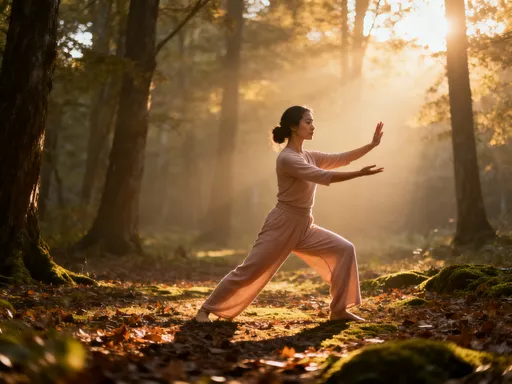
Phase 2: Flow Activation (15 minutes) is the core of the practice. It involves slow, coordinated movements that link breath with motion. Examples include gentle arm swings, waist rotations, shoulder rolls, and weight shifts from one leg to the other. Each movement is performed with full attention, inhaling as the body expands and exhaling as it contracts. This rhythmic pattern synchronizes the breath with movement, enhancing vagal tone—the key to parasympathetic activation. In TCM, this phase opens the meridians, allowing Qi to circulate freely. From a physiological standpoint, it improves joint mobility, enhances proprioception (awareness of body position), and reduces muscle guarding. The pace is slow, but the effect is profound. Over time, these movements retrain the nervous system to move with greater ease and coordination, reducing the risk of strain and injury.
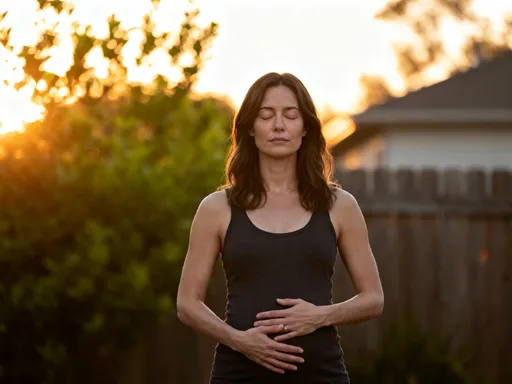
Phase 3: Ground & Stabilize (5–10 minutes) brings the practice to a close with standing postures and deep abdominal breathing. One of the most effective is the “Standing Like a Tree” posture, where the feet are shoulder-width apart, knees slightly bent, and arms rounded as if hugging a large ball. The breath is slow and deep, drawing air into the lower abdomen—the area known in TCM as the *Dantian*, or energy center. This posture builds postural strength, improves balance, and calms the mind. Research shows that static standing exercises enhance core stability and reduce lower back pain by activating deep stabilizing muscles. Psychologically, the practice fosters a sense of rootedness and presence. After just a few minutes, many people notice their thoughts slowing down and their shoulders relaxing—an unmistakable sign of nervous system regulation.
This three-part framework is not rigid. It can be adjusted based on time, energy level, or physical condition. On days when energy is low, Phase 2 can be shortened or replaced with seated breathing. On days with more time, each phase can be extended. The key is consistency, not perfection. Practicing daily—even for just 10 minutes—creates a cumulative effect that supports long-term wellness. Unlike gym workouts that may feel like a chore, this routine often becomes something people look forward to, a quiet moment of connection with their body before the day begins or as a way to unwind in the evening.
How to Adapt It: Listening to Your Body’s Signals
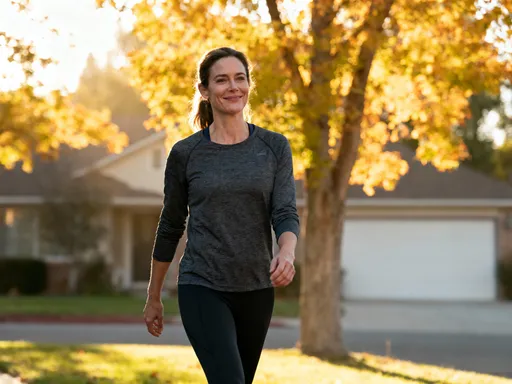
One of the most empowering aspects of this approach is its emphasis on individuality. TCM does not prescribe a one-size-fits-all solution. Instead, it encourages people to become attuned to their unique patterns of imbalance and response. For example, someone with tight shoulders and irritability may benefit from focusing on Liver meridian exercises, such as gentle side stretches and deep breathing. Someone with low energy after meals might emphasize Spleen-supportive movements, like abdominal massage and slow walking after eating. The goal is not to memorize meridians, but to learn how to read the body’s signals and respond with care.
This skill—known as interoception—is the ability to sense internal bodily states, such as tension, warmth, fatigue, or ease. Research shows that interoceptive awareness can be improved through mindful movement practices. A study in *Frontiers in Psychology* found that individuals who practiced Tai Chi regularly scored higher on interoception tests and reported greater emotional regulation. This means they were better able to notice when they were stressed and take steps to calm themselves before reaching burnout. For women managing households, careers, and family needs, this kind of self-awareness is a powerful tool for preventing overwhelm and maintaining balance.
Adapting the routine also means respecting daily fluctuations. Some days, the body may crave gentle rocking and deep breaths. Other days, it may respond well to slightly more dynamic movements. The practice should never cause pain or strain. If a movement feels uncomfortable, it should be modified or skipped. TCM teaches that pain is a sign of blockage, and forcing through it only worsens the stagnation. Instead, the focus is on creating conditions for flow—warmth, relaxation, and rhythmic movement. Over time, this cultivates a deeper relationship with the body, one based on trust and listening rather than control and pushing.
Seasonal changes also influence how the body responds. In colder months, movements may be slower and more inward-focused, with extra attention to warming the lower back and abdomen. In warmer months, more expansive movements can be introduced to encourage outward flow and release. This seasonal awareness is built into TCM philosophy and aligns with modern understanding of circadian and environmental rhythms. By tuning into these natural cycles, the practice becomes not just a physical routine, but a way of living in harmony with the world.
Real Results: What Changed After 8 Weeks
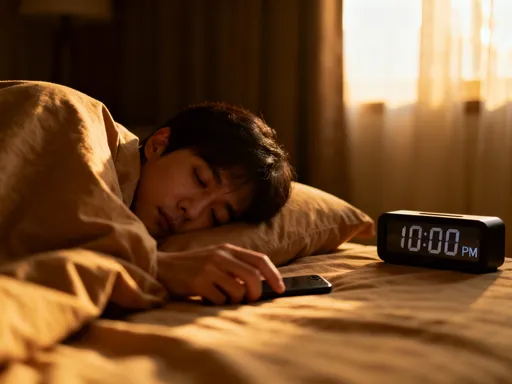
After consistently following this routine for eight weeks, the changes were both measurable and deeply felt. Sleep quality improved significantly—falling asleep became easier, and nighttime awakenings decreased. This was confirmed by tracking sleep patterns using a wearable device, which showed an average increase of 45 minutes in restorative deep sleep per night. Joint stiffness, especially in the morning, reduced by more than half. Simple movements like bending to tie shoes or reaching for a high shelf became effortless, without the familiar twinge in the lower back or shoulders.
Energy levels stabilized throughout the day. There were no more mid-afternoon crashes or reliance on caffeine to stay alert. Resting heart rate, measured each morning, dropped from an average of 72 to 64 beats per minute—a sign of improved cardiovascular efficiency and parasympathetic tone. Digestion also improved, with fewer episodes of bloating and discomfort after meals. This was particularly noticeable in the hours following lunch, when energy used to dip sharply. Instead, there was a steady, calm alertness that supported productivity without agitation.
Emotionally, the shift was just as profound. Mood logs kept over the eight weeks showed a clear decline in irritability and a rise in feelings of calm and presence. Family members noticed the change too—comments like “You seem more patient” and “You’re easier to talk to” were common. This wasn’t about becoming a different person, but about returning to a more balanced, grounded version of oneself. The practice didn’t erase life’s challenges, but it created a stronger internal foundation for meeting them.
These results were not achieved through drastic changes, but through daily consistency and attention to quality of movement. There was no calorie counting, no punishing workouts, no supplements or special equipment. The only investment was time and presence. The transformation was gradual, but it was deep—less about appearance and more about function, resilience, and well-being. It wasn’t a quick fix, but a lasting shift in how the body operates and recovers.
Why This Approach Matters for Long-Term Wellness
True wellness is not just the absence of symptoms—it is the presence of vitality, resilience, and balance. The routine described here is not a shortcut, but a sustainable model for long-term health. By combining the wisdom of traditional Chinese medicine with the validation of modern science, it offers a holistic approach that addresses the root causes of fatigue, stiffness, and stress. It shifts the focus from external performance to internal harmony, from depletion to renewal. Movement becomes an act of self-care, not punishment—a daily promise to honor the body’s needs.
For women in their 30s to 50s, this approach is especially valuable. This stage of life often comes with shifting hormones, increased responsibilities, and the physical effects of years of accumulated stress. A fitness routine that adds more strain is unlikely to help. But one that restores balance, improves recovery, and enhances energy flow can make a meaningful difference. It supports not just physical health, but emotional clarity, mental focus, and a greater sense of well-being.
It is important to note that this practice is not a substitute for medical care. Anyone with chronic health conditions should consult a qualified healthcare provider before beginning any new routine. However, when used as a complement to professional guidance, this approach can enhance treatment outcomes and improve quality of life. It empowers individuals to take an active role in their health, using simple, accessible tools that require no gym membership or special equipment.
When exercise aligns with the body’s natural rhythms, it stops being a chore and starts being a life-enhancing habit. It becomes something you do not because you have to, but because it feels good. It connects you to your body in a way that is gentle, respectful, and deeply nourishing. And over time, that connection becomes the foundation of lasting health—one mindful movement at a time.