How I Keep Stress from Wrecking My Life – Real Tips That Actually Work
Stress isn’t just annoying—it can quietly harm your sleep, focus, and mood. I used to feel overwhelmed daily, but small, consistent changes made a big difference. This isn’t about quick fixes or magic cures. It’s about practical, science-backed habits that support long-term mental balance. If you're tired of feeling tense and mentally drained, what I’ve learned might help you regain calm—and keep it.
The Hidden Cost of Chronic Stress
Chronic stress operates like a slow leak in a tire—initially unnoticeable, but over time, it can leave you completely deflated. Unlike acute stress, which is a brief response to immediate threats—like narrowly avoiding a car accident—chronic stress is the persistent, low-grade tension that builds from daily pressures. These might include financial worries, long commutes, household responsibilities, or the constant demand to be available through digital devices. The body was designed to handle short bursts of stress, but when the stress response stays activated, it begins to wear down both physical and mental health.
At the biological level, chronic stress triggers the overproduction of cortisol, often called the “stress hormone.” Cortisol plays a vital role in helping the body respond to challenges by increasing blood sugar, suppressing non-essential functions like digestion, and sharpening focus. However, when cortisol levels remain elevated for prolonged periods, it can lead to a cascade of negative effects. Research from the American Psychological Association shows that sustained high cortisol is linked to increased risk of hypertension, weakened immune function, weight gain—particularly around the abdomen—and impaired cognitive performance. It can also disrupt the balance of other hormones, affecting energy levels and emotional regulation.
The impact on mental well-being is equally concerning. Persistent stress is strongly associated with irritability, difficulty concentrating, and a sense of being mentally foggy. Many women in their 30s to 50s report feeling “on edge” without knowing why, snapping at family members, or struggling to complete tasks that once felt manageable. This isn’t a personal failing—it’s a physiological response to ongoing pressure. The brain’s prefrontal cortex, responsible for decision-making and emotional control, becomes less effective under chronic stress, while the amygdala, which governs fear and emotional reactions, becomes hyperactive. This shift makes it harder to stay calm and rational, even in minor situations.
Real-life scenarios illustrate how easily stress accumulates. Imagine a typical morning: waking up to a crying child, rushing to prepare breakfast, checking work emails before leaving the house, and then sitting in traffic. Each of these events may seem small on its own, but together, they form a pattern of repeated stress activation. Over time, this constant state of alertness can erode resilience. The danger lies in its invisibility—many people adapt to feeling tense, mistaking it for normal. But the body never forgets. That’s why recognizing the hidden toll of chronic stress is the first step toward reclaiming balance.
Why Quick Fixes Fail (And What Works Instead)
When stress builds, the instinct is often to seek immediate relief. Many turn to quick fixes like scrolling through social media, drinking extra coffee, or venting frustrations to a friend. While these may offer temporary distraction, they rarely address the root cause and can sometimes make things worse. For example, excessive caffeine can increase heart rate and anxiety, while doomscrolling exposes the mind to more stress-inducing content, creating a cycle of mental overload. Venting, though emotionally satisfying in the moment, can reinforce negative thinking patterns if done repeatedly without resolution.
The problem with short-term solutions is that they treat symptoms, not systems. They’re like putting a bandage on a wound that keeps reopening. True stress management requires a shift from crisis response to daily maintenance. Behavioral science supports the idea that consistency is far more effective than intensity. A single 30-minute meditation session once a month won’t rewire the brain’s stress response, but five minutes of mindful breathing every day can create lasting change. This is the principle behind “mental hygiene”—the idea that just as we brush our teeth daily to prevent cavities, we should engage in small, regular practices to protect our mental health.
Studies in habit formation, such as those published in the European Journal of Social Psychology, suggest that it takes an average of 66 days for a new behavior to become automatic. This means that sustainable stress reduction isn’t about dramatic overhauls but about embedding small, manageable actions into daily life. For instance, setting a reminder to pause and take three deep breaths before checking email can gradually lower baseline stress levels. Over time, these micro-practices accumulate, strengthening the brain’s ability to regulate emotions and recover from setbacks.
What works instead of quick fixes is a structured, personalized approach. This includes identifying personal stress triggers, choosing evidence-based techniques, and practicing them regularly. It also involves redefining success—not as the absence of stress, but as improved capacity to handle it. A mother managing a household and a job may still face pressure, but with the right tools, she can respond with clarity rather than reactivity. The goal is not to eliminate all stress—some stress is inevitable and even beneficial—but to prevent it from becoming overwhelming. By treating mental well-being as a daily priority, not an emergency response, individuals build resilience that lasts.
Breathing Like a Pro: The 4-7-8 Method
One of the most accessible and scientifically supported tools for calming the nervous system is the 4-7-8 breathing technique. Developed by Dr. Andrew Weil, this method is based on ancient pranayama practices but adapted for modern use. The technique is simple: inhale quietly through the nose for a count of four, hold the breath for a count of seven, and exhale slowly and completely through the mouth for a count of eight. Repeating this cycle four times creates a powerful signal to the body that it’s safe to relax.
The effectiveness of the 4-7-8 method lies in its ability to activate the parasympathetic nervous system—the part of the autonomic system responsible for rest and digestion. When stress triggers the sympathetic nervous system (the “fight-or-flight” response), heart rate increases, muscles tense, and breathing becomes shallow. The 4-7-8 pattern reverses this by extending the exhale, which stimulates the vagus nerve. This nerve acts as a brake on the stress response, slowing the heart rate and lowering blood pressure. Clinical studies have shown that slow, controlled breathing can reduce symptoms of anxiety and improve heart rate variability, a key marker of resilience.
What makes this technique particularly valuable is its versatility. It can be used anywhere—while sitting at a desk, lying in bed, or even in the car during a traffic jam. For women juggling multiple roles, this portability is essential. Imagine finishing a tense phone call with a school administrator and taking just one minute to reset using the 4-7-8 method before helping a child with homework. That brief pause can prevent emotional spillover and restore mental clarity. It’s not just “deep breathing”—it’s a precise, timed practice that maximizes physiological benefit.
To get the most out of this technique, consistency matters. Practicing it twice a day—once in the morning and once before bed—can help regulate the nervous system over time. Some users report falling asleep faster when using it at night, while others find it helps them stay calm during challenging conversations. It’s important to note that while the method is simple, it may feel awkward at first. The key is patience and regular practice. Over weeks, the body begins to associate the breathing pattern with safety, making it easier to access calm even in high-pressure moments.
Move Your Body, Calm Your Mind
Physical activity is one of the most powerful, yet underutilized, tools for stress management. Decades of research confirm that movement helps regulate stress hormones and boosts mood-enhancing chemicals like endorphins and serotonin. What’s often misunderstood is that intense workouts aren’t necessary to gain these benefits. Moderate, accessible forms of movement—such as brisk walking, gentle stretching, or dancing to favorite music at home—can be just as effective, especially when done consistently.
When the body experiences stress, it releases cortisol and adrenaline, preparing for action. In ancestral times, this energy would have been burned off through physical exertion—running from danger, for example. Today, most stress is psychological, but the body still produces the same chemical response. Without physical release, these hormones linger, contributing to muscle tension, restlessness, and sleep disturbances. Movement provides a natural outlet, helping the body process and clear these chemicals. A 20-minute walk, for instance, can significantly reduce feelings of anxiety and improve mental focus.
The good news is that integrating movement into a busy schedule doesn’t require a gym membership or hours of free time. Small changes make a difference. Taking the stairs instead of the elevator, parking farther from store entrances, or doing a five-minute stretch routine while waiting for dinner to cook can all contribute to stress reduction. For those working from home, scheduling “walking meetings” or doing a short dance break between tasks can refresh the mind and body. The key is regularity—aiming for at least 30 minutes of moderate activity most days of the week, as recommended by the Centers for Disease Control and Prevention.
Moreover, movement doesn’t have to be structured or goal-oriented. The focus should be on enjoyment and ease, not performance. A mother who finds joy in gardening, playing with her children in the yard, or following a gentle yoga video online is still gaining the mental health benefits of physical activity. The goal is not to “work out” but to move the body in ways that feel good. Over time, this builds a positive feedback loop—better mood leads to more movement, which in turn supports emotional balance. By redefining exercise as self-care rather than a chore, it becomes a sustainable part of stress management.
The Power of Micro-Breaks
In a world that glorifies busyness, taking short pauses may seem counterintuitive. Yet, research in cognitive psychology shows that brief mental breaks—lasting just 60 to 90 seconds—can significantly improve focus, reduce fatigue, and enhance emotional regulation. These micro-breaks act like system resets, allowing the brain to recover from sustained attention and prevent burnout. Unlike longer breaks that require planning, micro-breaks can be woven seamlessly into the day, making them ideal for women managing complex schedules.
A micro-break doesn’t need to be elaborate. It can be as simple as stepping outside to feel fresh air, closing the eyes and taking three slow breaths, or sipping a glass of water while looking out the window. The key is intentional disengagement—momentarily stepping away from tasks, screens, or conversations to reconnect with the present moment. This brief shift interrupts the stress cycle and gives the nervous system a chance to recalibrate. A study published in the journal Cognition found that even ultra-short pauses improved performance on attention-based tasks by reducing mental fatigue.
Real-world applications are easy to identify. After sending an important email, instead of immediately switching to the next task, pause for one minute. Before responding to a challenging message from a family member, take a sip of tea and breathe deeply. While waiting for the microwave or the kettle to boil, use that time to stretch the neck or shoulders. These moments accumulate, creating pockets of calm throughout the day. Over time, the habit of pausing becomes automatic, reducing reactivity and increasing emotional resilience.
The cumulative effect of micro-breaks is profound. When practiced regularly, they help maintain a lower baseline of stress, making it easier to handle larger challenges. They also model healthy behavior for children and others in the household, showing that taking care of one’s mental state is both normal and necessary. By honoring small moments of rest, individuals send a message to themselves: I matter. This self-respect is a cornerstone of long-term well-being.
Sleep, Screens, and the Wind-Down Ritual
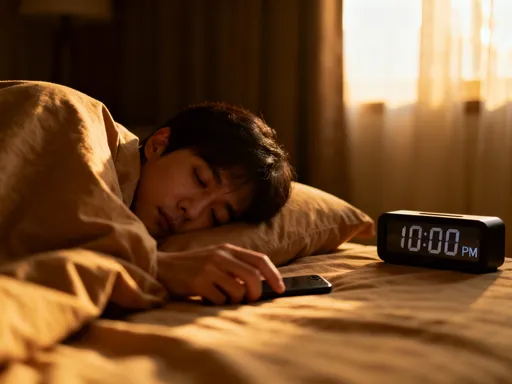
Sleep and stress share a bidirectional relationship—poor sleep increases stress, and high stress disrupts sleep. For many women in midlife, this cycle is especially challenging due to hormonal changes, caregiving demands, or work-related pressures. The role of screens in this dynamic cannot be overstated. The blue light emitted by phones, tablets, and televisions suppresses melatonin, the hormone that regulates sleep-wake cycles. Even one hour of screen use before bed can delay sleep onset and reduce sleep quality, according to research from Harvard Medical School.
Breaking this cycle requires a deliberate wind-down ritual. This doesn’t need to be time-consuming—15 to 30 minutes of quiet activity can signal to the brain that it’s time to shift into rest mode. Effective rituals include dimming the lights, avoiding stimulating content (such as news or intense dramas), and engaging in calming activities like reading a physical book, journaling, or listening to soft music. The goal is to transition from the busyness of the day to a state of relaxation. Consistency is crucial: going to bed and waking up at roughly the same time every day—even on weekends—helps regulate the body’s internal clock.
A wind-down routine also provides mental closure. Writing down tomorrow’s to-do list or reflecting on three things that went well during the day can reduce nighttime rumination. This practice helps the mind release unfinished thoughts, making it easier to fall asleep. Over time, the body begins to associate the ritual with sleep, making it easier to relax. Improved sleep, in turn, enhances emotional resilience, making daily stressors feel more manageable.
It’s important to note that sleep hygiene is not about perfection. Missing a night or occasionally watching a late show isn’t harmful. The focus should be on long-term patterns. Small, sustainable changes—like charging the phone outside the bedroom or using a traditional alarm clock instead of a smartphone—can make a meaningful difference. By prioritizing rest, individuals invest in their ability to handle life’s demands with greater calm and clarity.
When to Seek Professional Support
While self-care strategies are powerful, they are not a substitute for professional help when stress becomes unmanageable. There are clear signs that stress may require clinical attention, including persistent anxiety, difficulty sleeping more than a few nights a week, irritability that affects relationships, or trouble concentrating on daily tasks. If these symptoms last for more than two to three weeks and interfere with functioning, it’s important to consult a healthcare provider.
Mental health professionals, such as licensed therapists or counselors, can offer evidence-based treatments like cognitive behavioral therapy (CBT), which has been shown to be highly effective for stress and anxiety. In some cases, a medical evaluation may be needed to rule out underlying conditions, such as thyroid imbalances or vitamin deficiencies, that can mimic or worsen stress symptoms. Primary care providers can help coordinate care and determine whether additional support is needed.
Seeking help is not a sign of weakness—it’s an act of strength and self-responsibility. Just as one would see a doctor for persistent physical pain, emotional distress deserves the same level of care. Many women hesitate to reach out due to stigma, time constraints, or the belief that they should be able to “handle it on their own.” But managing stress is not about enduring silently; it’s about using all available resources to protect well-being.
Professional support can also provide personalized strategies that complement self-care practices. A therapist might help identify specific stress triggers, improve communication skills, or develop coping techniques tailored to an individual’s life. With the right support, it’s possible to move from surviving to thriving. Recognizing when to ask for help is a vital part of the journey toward lasting mental balance.
Managing stress isn’t about eliminating pressure—it’s about building resilience. The habits discussed aren’t flashy, but they’re powerful when practiced consistently. Over time, they shift your baseline from reactive to calm, from drained to steady. This isn’t a one-time fix but a lifelong commitment to yourself. By treating mental well-being as essential—not optional—you invest in a healthier, more balanced life. And that’s a change worth making.